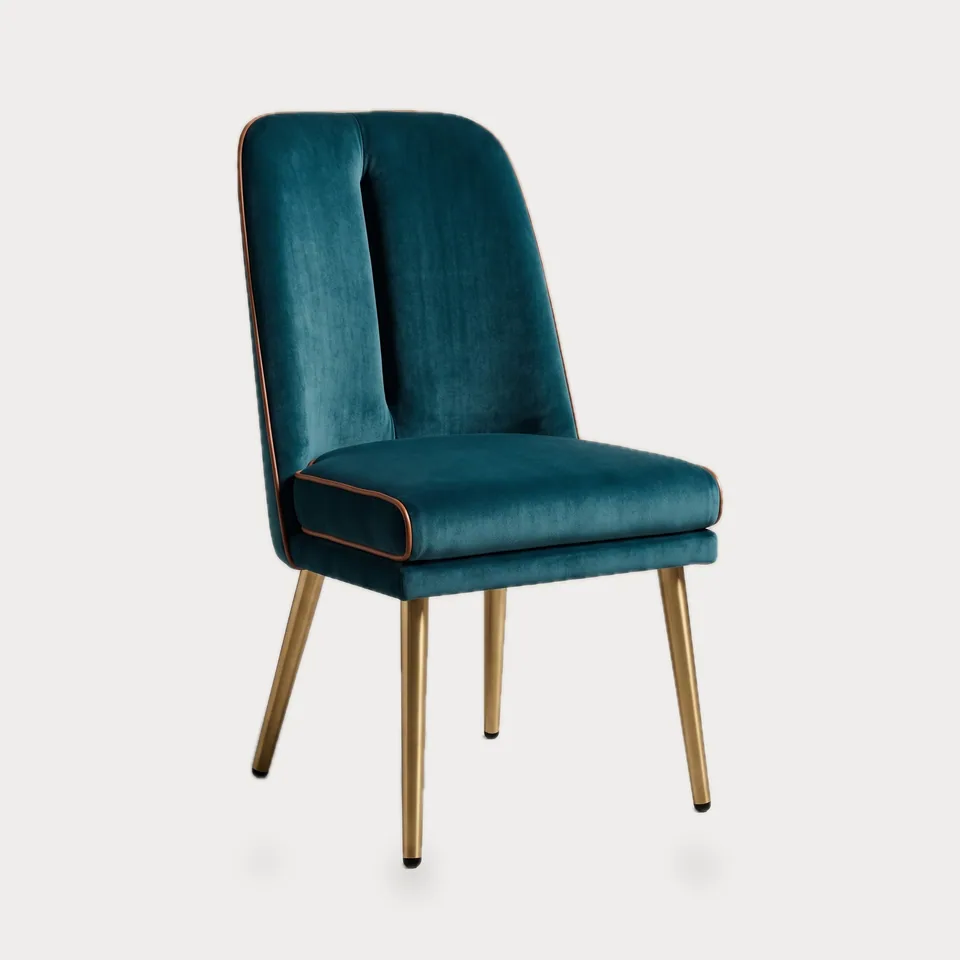
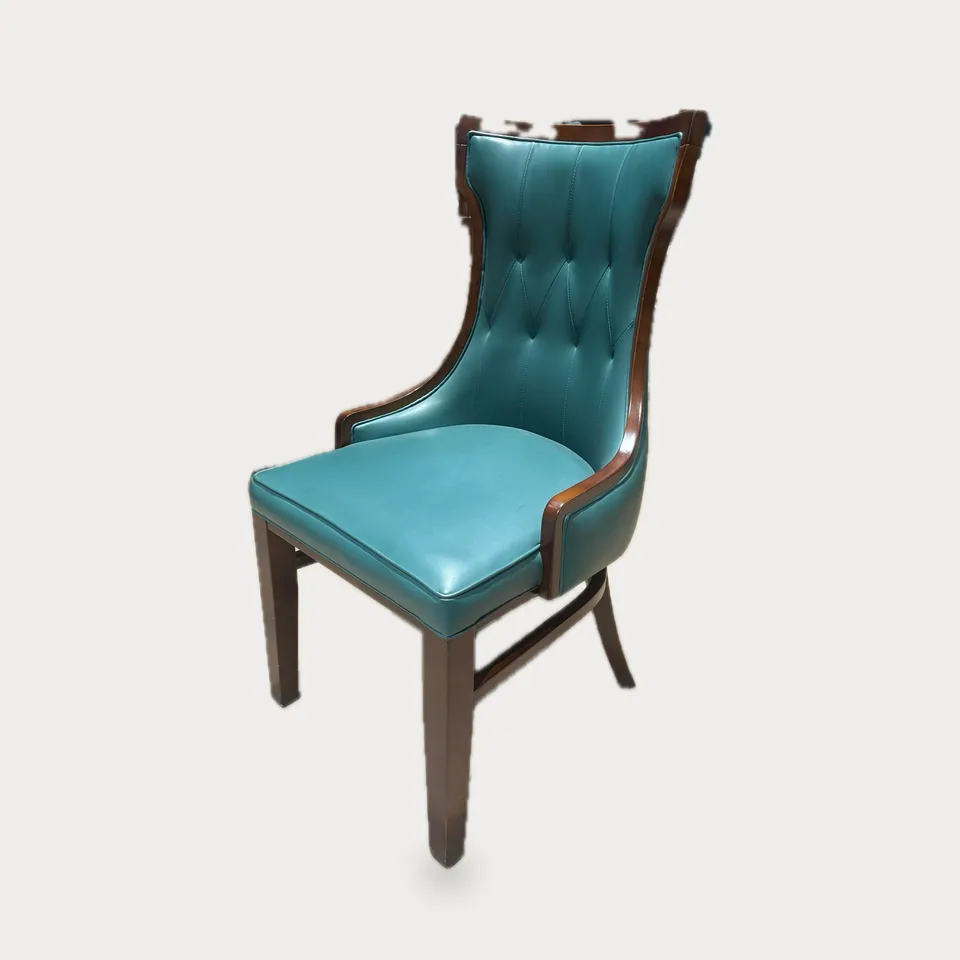
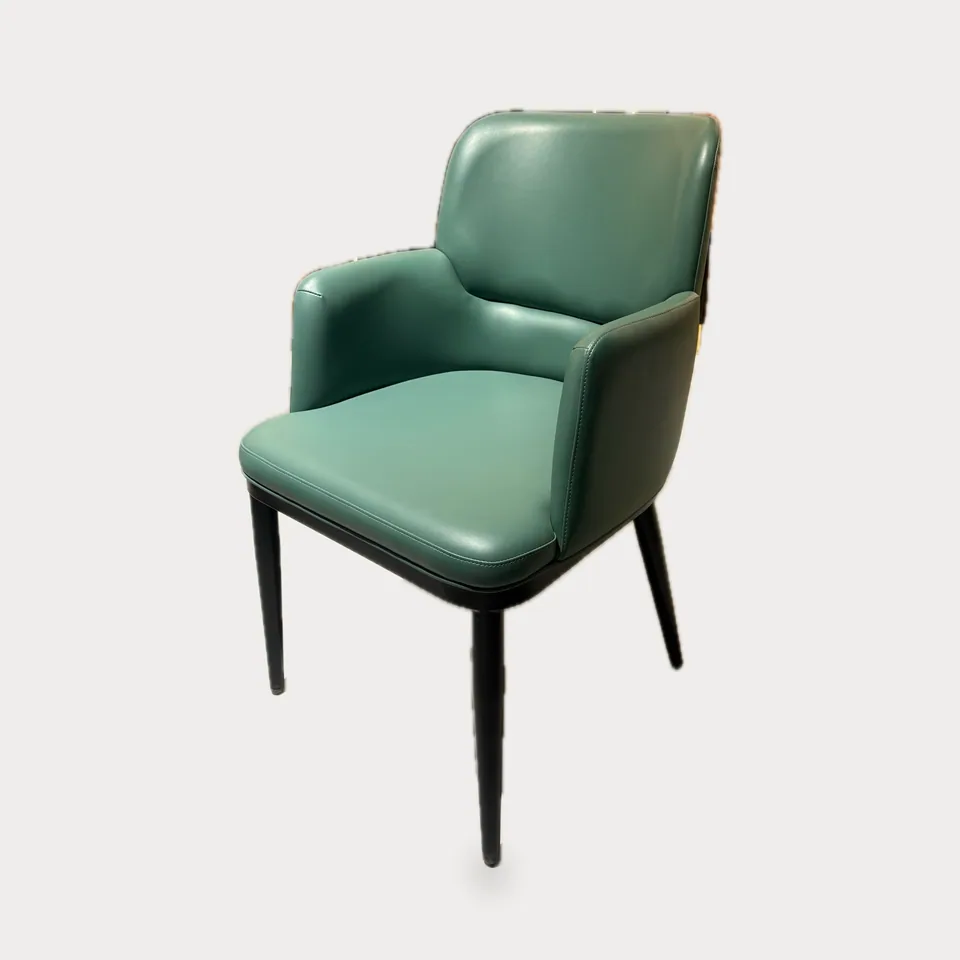
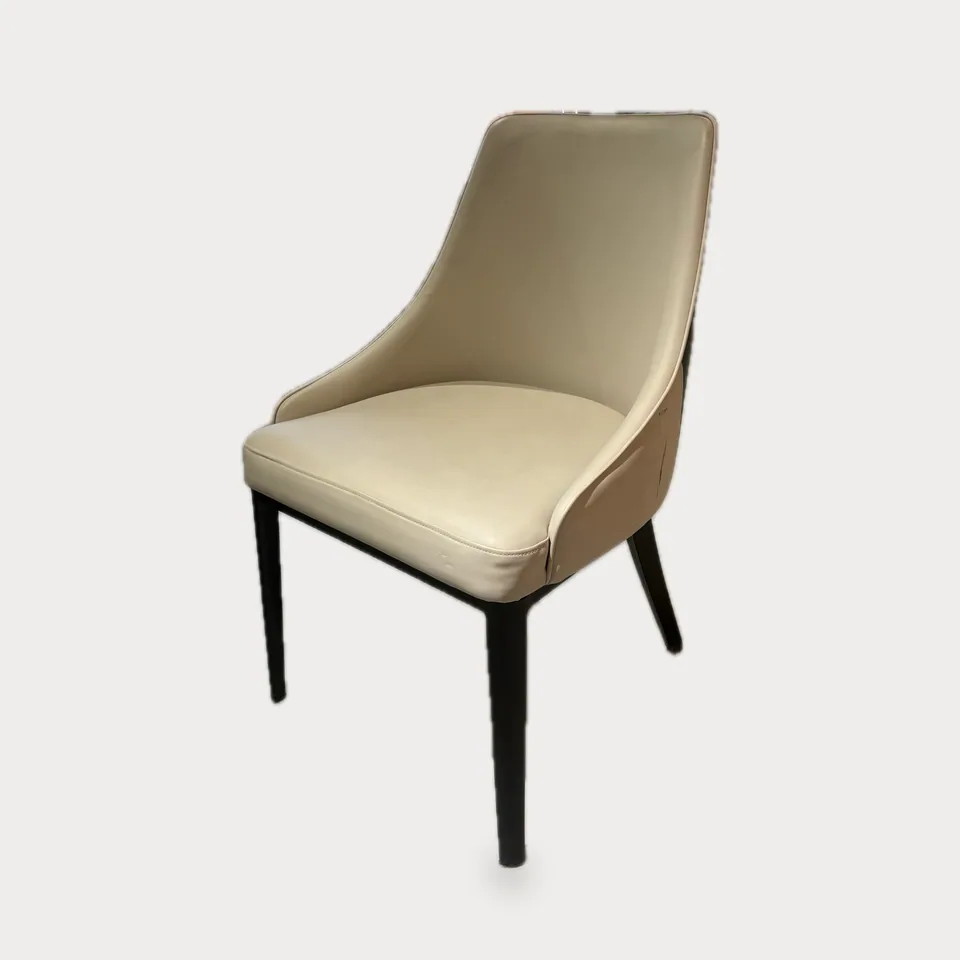
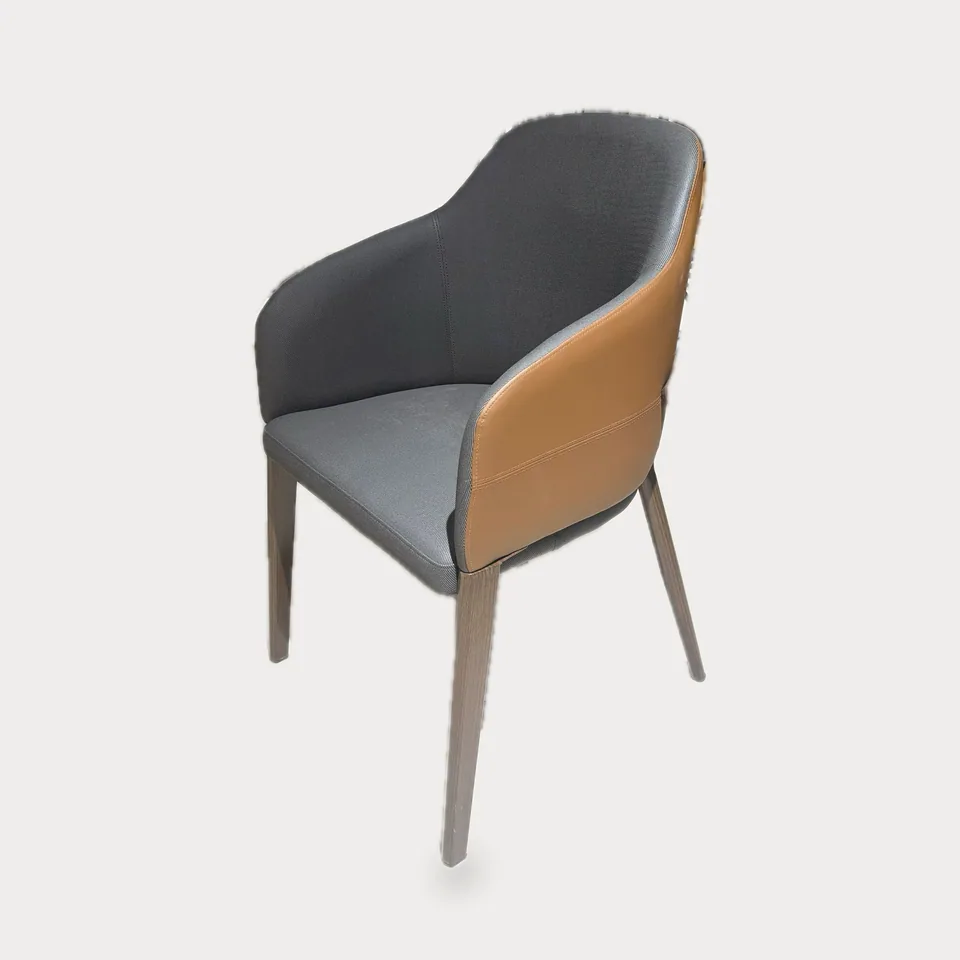
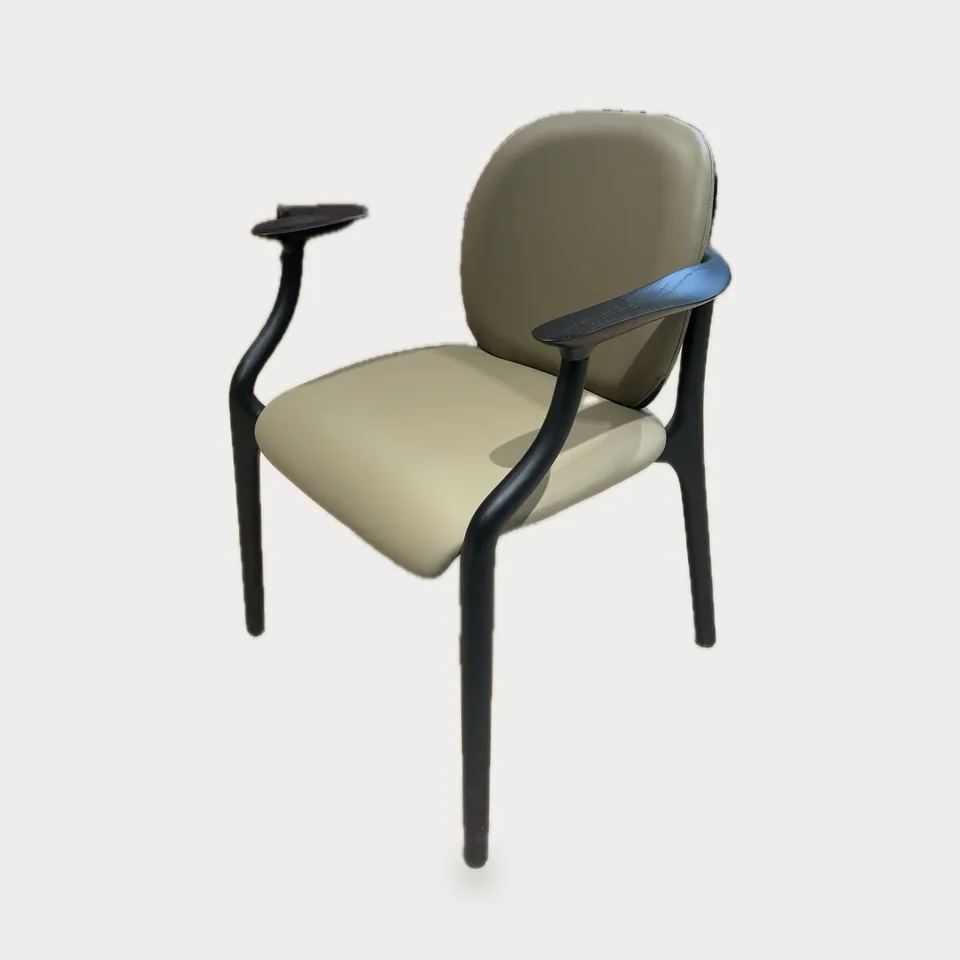
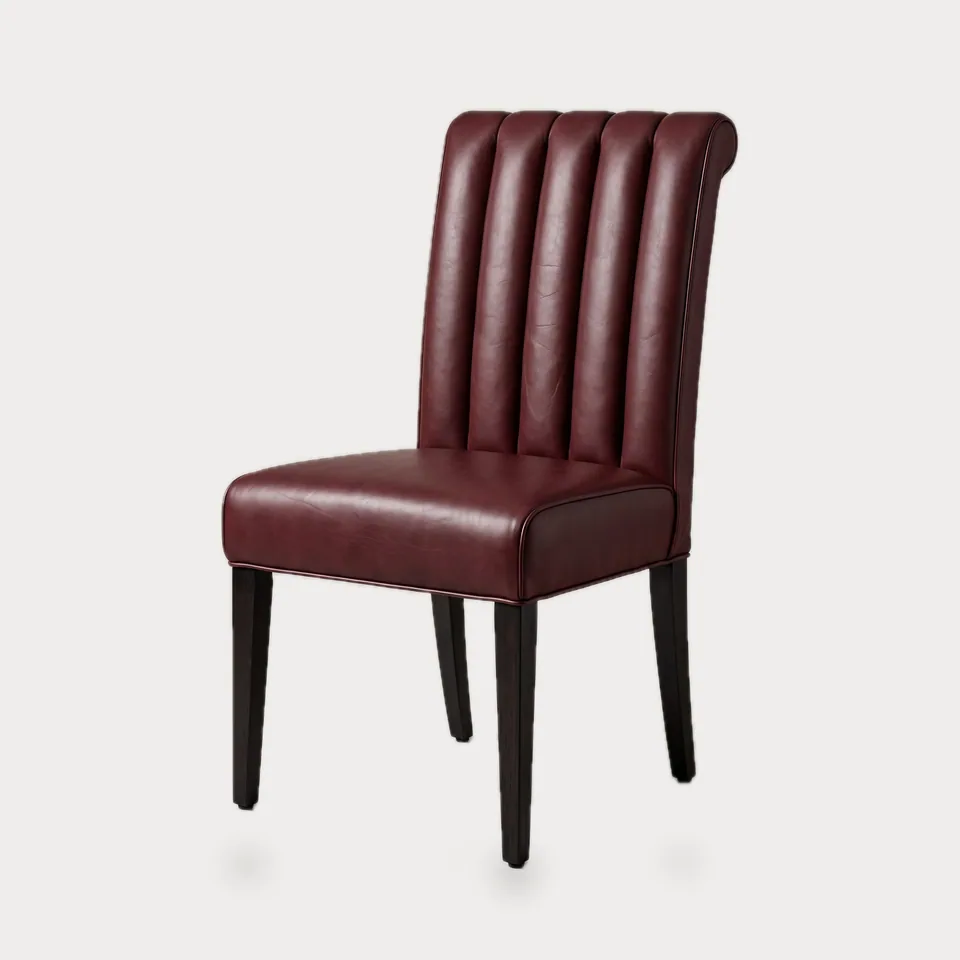
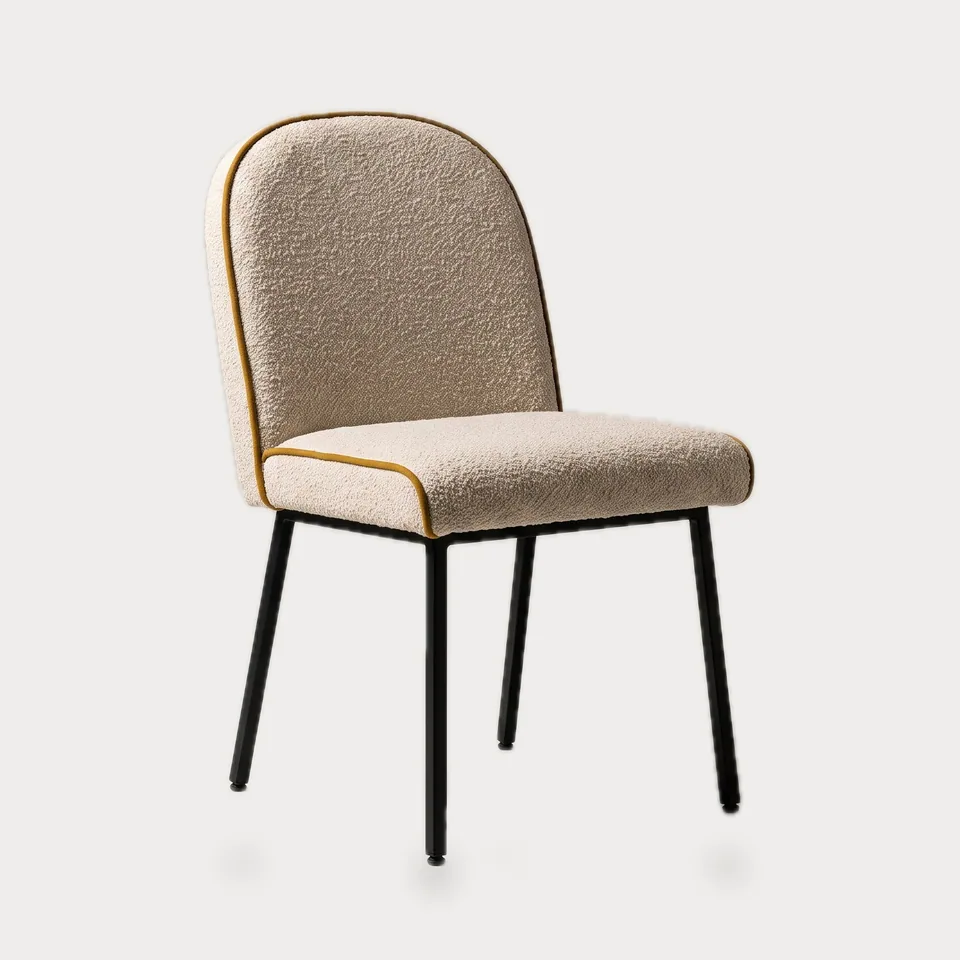
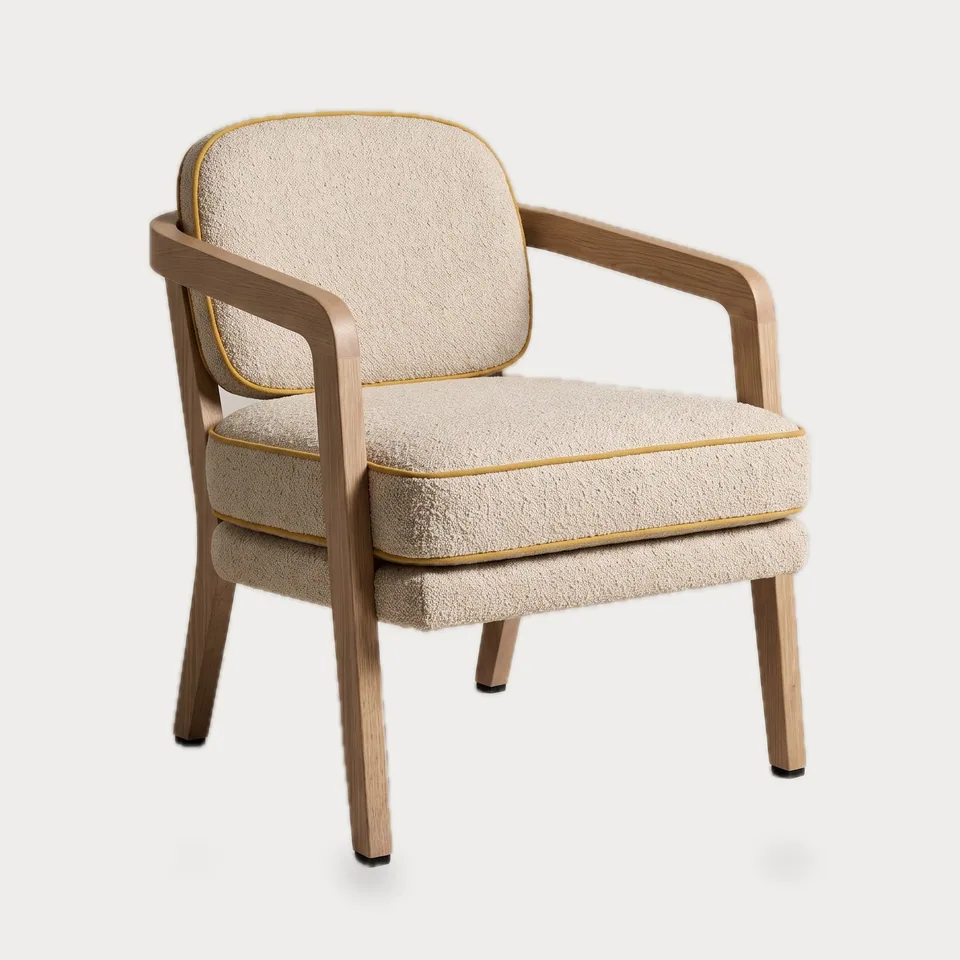
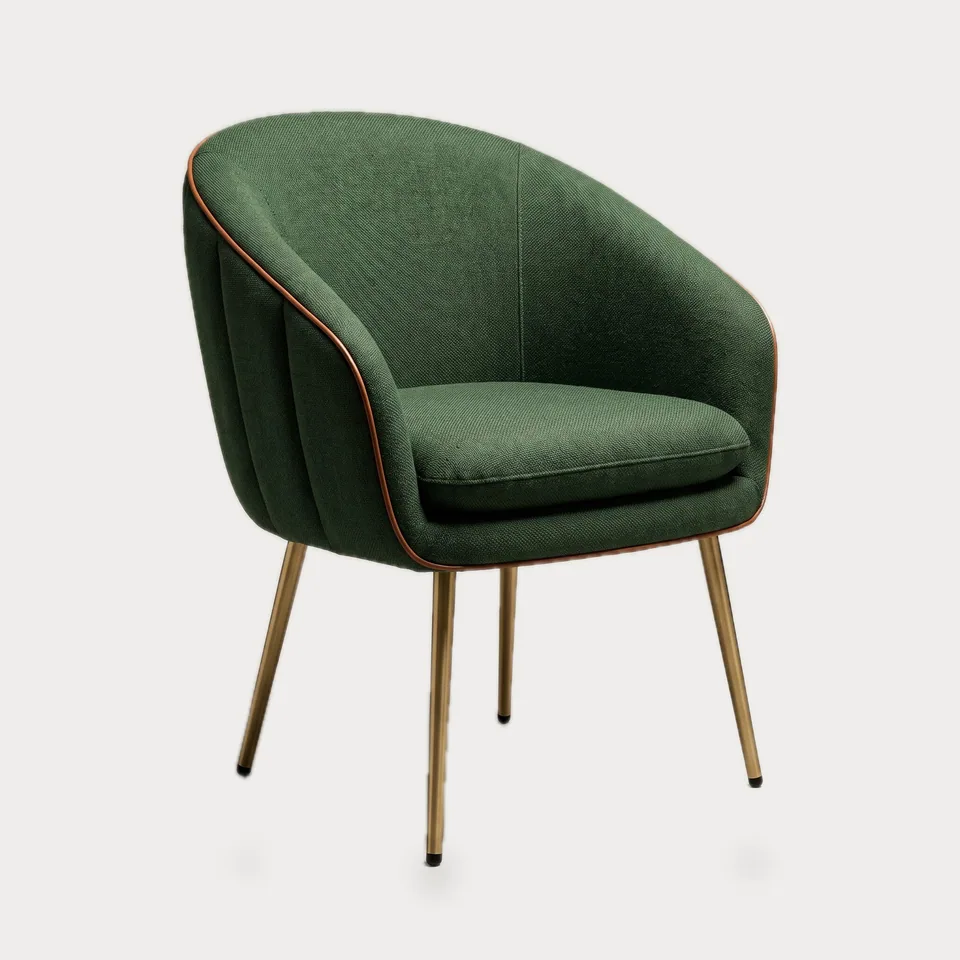
Upholstered chairs raise perceived comfort and average check in full-service rooms, but they are also the chairs that fail first when the wrong fabric or foam goes on them. We treat the upholstery as part of the structure, not decoration.
How an upholstered Chair Foundry chair is built:
- Frame: kiln-dried hardwood or welded steel, with the back posts continuous into the rear legs wherever the design allows, because that is where a diner levers the chair.
- Seat pan: plywood or steel pan screwed to the frame from below, so the seat can be removed and recovered without touching the frame.
- Foam: high-resilience polyurethane foam on the seat, with a firmer base layer and softer top layer on deeper seats. We specify fire-retardant foam to the destination market's rules on request, for example a build intended to meet CAL TB 117-2013.
- Cover: contract fabric, vinyl or leather, or your own COM/COL. We will tell you if a cloth's abrasion rating or backing is not suitable for restaurant seating.
- Finish details: welts, channels or plain panels; nail trim or none; metal leg caps to protect the floor and the leg ends.
| Cover material | Typical abrasion spec to ask for | Cleaning | Where it fits |
|---|---|---|---|
| Contract vinyl | 100,000+ double rubs (Wyzenbeek) is common | Wipe with mild soap; many accept diluted bleach (check the mill's guide) | Family dining, high turnover |
| Woven contract fabric | 30,000+ double rubs for heavy-duty contract use | Water-based cleaners; check the cleaning code | Fine dining, hotel restaurants |
| Leather | Not measured by double rubs; specify a pigmented, protected grade | Damp cloth, leather conditioner | Steakhouses, lounges |
Armchairs in this collection are drawn so the arm clears your table apron, which we confirm against your table height. Mixed fabrics on the inside and outside back, contrast welts and brand colors are all standard requests.